What to Expect During a Commercial Carpet Installation Project
People seeking commercial carpet installation typically want a smooth, professional process, and local contractors can handle the project efficiently, ensuring quality results.
Understanding what to expect during a commercial carpet installation project can help property owners feel more prepared and confident throughout the process. Whether upgrading an office space, retail location, or industrial facility, knowing the typical steps involved allows for smoother coordination and minimizes surprises. Local contractors specializing in commercial carpet installation are equipped to handle these details efficiently, ensuring the project aligns with the specific needs of the space and the property owner’s goals.
For property owners in the area considering this type of upgrade, having insight into the installation process can also aid in planning and decision-making. From preparing the space to final inspection, experienced service providers can guide clients through each stage, helping to ensure the project is completed correctly and with minimal disruption. Exploring what to expect during a commercial carpet installation project provides a clearer picture of how local experts can support a successful, hassle-free upgrade.
- Site assessment - when a business needs a professional evaluation of the space to determine the best carpet options and preparation requirements, local contractors typically inspect the area thoroughly.
- Subfloor preparation - during projects where the existing flooring or subfloor needs smoothing or repairs, local service providers handle the necessary prep work to ensure a stable foundation.
- Carpet installation - for businesses upgrading or replacing their flooring, local pros manage the precise laying and fitting of new commercial carpets to meet specific space needs.
- Seaming and finishing - when seamless appearance and durability are priorities, local contractors expertly join carpet sections and finish edges for a clean, professional look.
- Cleanup and inspection - after installation, local service providers perform a thorough cleanup and final inspection to ensure the work meets quality standards and client expectations.
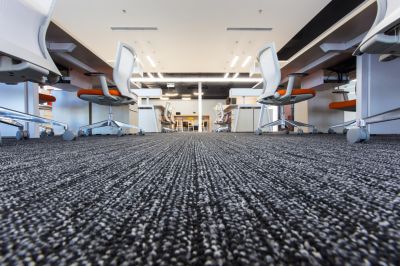


When searching for information about what to expect during a commercial carpet installation project, most people are looking to understand the overall process involved in upgrading or replacing flooring in a business or public space. This includes knowing how long the project might take, what steps are involved, and how the work will impact daily operations. Business owners, property managers, or facility managers often seek clarity on how the installation will be scheduled, what preparations are necessary beforehand, and what kind of disruption might occur during the process. Understanding these details helps them plan accordingly and ensures the project aligns with their operational needs.
Commercial carpet installation projects are often linked to broader plans for property improvement, renovation, or maintenance. They may relate to creating a more professional appearance, improving safety with slip-resistant flooring, or updating outdated spaces to meet current standards. Problems that can prompt such projects include worn-out carpets, water damage, or the need for better acoustics. Property owners might also be working with specific design visions or branding requirements, making it essential to work with experienced service providers who can handle the installation efficiently and accurately. These projects are common in office buildings, retail stores, healthcare facilities, and educational institutions.
The types of properties involved in commercial carpet installation projects are diverse and typically include spaces with high foot traffic or specific functional needs. Office buildings often require durable carpets that can withstand daily wear, while retail spaces may need attractive, inviting designs. Healthcare facilities and clinics look for carpets that meet hygiene standards, and educational institutions seek options that are both durable and easy to maintain. These properties usually have large, open areas, hallways, or multiple rooms that require careful planning and coordination during installation. Working with local service providers who understand the unique demands of these properties ensures the project proceeds smoothly and meets the specific needs of each space.
Throughout a commercial carpet installation project, several key phases are generally experienced. Initially, there will be a site assessment and planning stage, where the scope of work is clarified and preparations are made. This is followed by the removal of existing flooring, which may involve moving furniture or equipment to ensure a clear workspace. The installation itself involves precise laying of the new carpet, often requiring specialized tools and techniques to ensure a seamless, professional finish. Once the new carpet is in place, there is typically a final inspection to confirm quality and adherence to specifications. Local service providers play a crucial role at each stage, bringing the expertise needed to handle the project efficiently while minimizing disruptions and ensuring a high-quality result.
Commercial flooring removal - this project involves preparing existing surfaces for new flooring, requiring skills in surface preparation and the use of specialized tools, similar to those used in carpet installation.
Flooring subfloor preparation - ensuring a smooth, level surface for carpet installation involves planning and surface assessment, skills shared with other flooring projects.
Carpet padding installation - installing underlays requires precise measurement and handling, paralleling the planning and tools used during carpet installation.
Building renovation projects - these projects often involve similar planning, surface preparation, and material handling skills as commercial carpet installation.
Office or retail space remodeling - involves coordinating flooring and surface upgrades, requiring similar logistical planning and surface prep skills.
Commercial wall-to-wall carpet repair - repairing or patching carpets involves detailed surface work and material handling skills akin to installation processes.
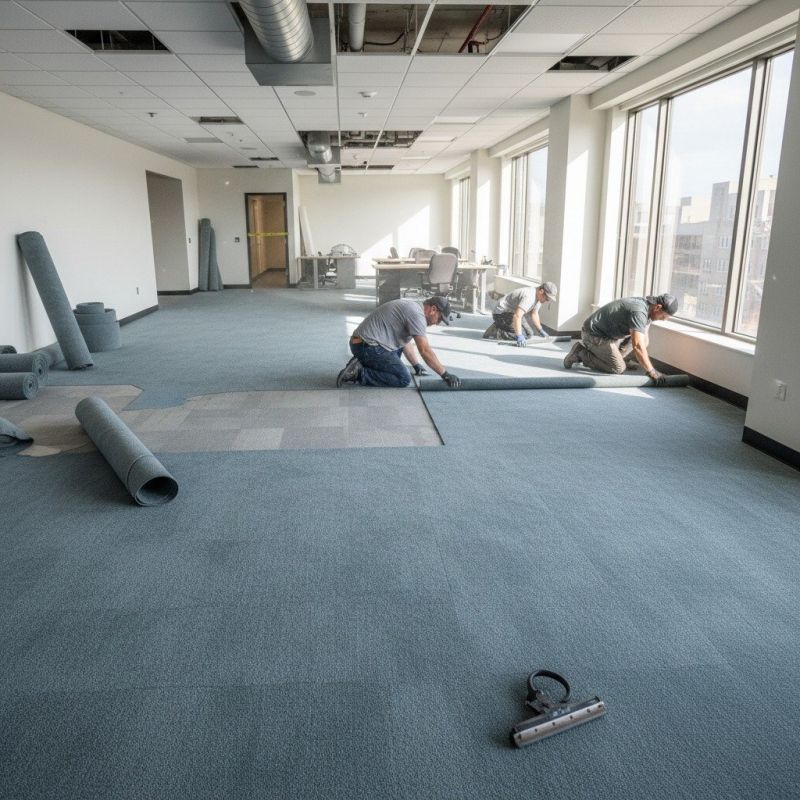
When evaluating commercial carpet installation services, it is important to consider the experience of the local contractors with projects similar to yours. An established provider with a history of handling commercial spaces can offer insights into potential challenges and solutions, ensuring the project proceeds smoothly. While browsing options, inquire about the types of spaces they have worked in and the scope of their previous installations to gauge their familiarity with your specific needs.
Clear, written expectations are essential for a successful installation. Reliable service providers should be willing to provide detailed descriptions of the process, including preparation steps, installation methods, and post-installation care. Having a transparent plan helps ensure that both parties are aligned on the scope of work and reduces the likelihood of misunderstandings. It is also wise to ask for reputable references to confirm the quality of past work and to get a sense of the contractor's professionalism and reliability.
Effective communication is a key factor when comparing local contractors for commercial carpet installation. Service providers who are responsive and willing to answer questions demonstrate a commitment to customer satisfaction and clarity. Good communication also means keeping clients informed about progress and potential issues throughout the project. Taking the time to review how a contractor communicates and addresses concerns can help ensure a positive experience during what to expect during a commercial carpet installation project.
Property owners often search for what to expect during a commercial carpet installation project when they are planning practical projects around their homes and businesses. Local pros provide Commercial Carpet Installation services for everyday jobs and straightforward project options.
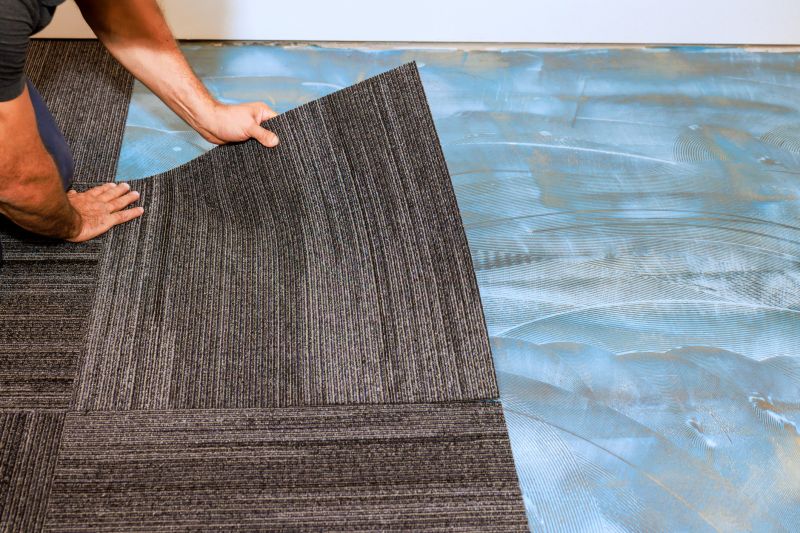
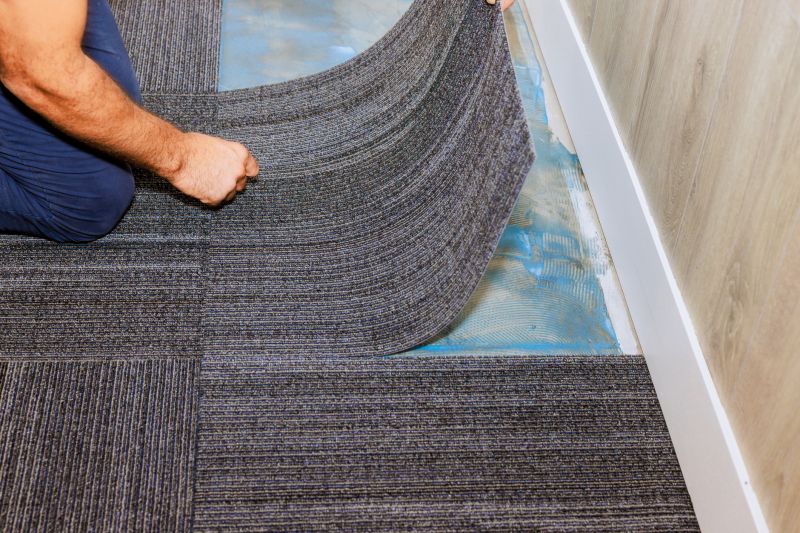
During a commercial carpet installation project, property owners often experience a variety of everyday situations that are important to understand beforehand. It’s common for installation crews to arrive prepared with the necessary tools and materials, which can temporarily impact daily operations. Property owners might notice some noise, foot traffic restrictions, or minor disruptions as the new carpet is laid out and secured. These are typical parts of the process that local contractors manage professionally to ensure the project proceeds smoothly, helping property owners stay informed about what to expect during a commercial carpet installation.
Many property owners seek out commercial carpet installation services to enhance their space’s appearance and durability, especially in high-traffic areas. They often look for local service providers who can handle the job efficiently and with minimal inconvenience. During the project, property owners can expect the installers to prepare the space properly, including removing old flooring if needed, and to work diligently to complete the installation on time. Understanding what occurs during the process helps property owners feel confident in choosing local contractors who can deliver a seamless transition to a refreshed, professional look.
What should I expect during a commercial carpet installation project? During a typical project, local contractors will prepare the space by removing old flooring if necessary, then carefully lay out and secure the new carpet to ensure a smooth and even surface.
How do professionals handle the preparation of the space before installation? Local service providers usually clean and clear the area, repair any subfloor issues, and measure precisely to ensure the carpet fits properly during the installation process.
What kind of equipment and techniques are used during installation? Contractors often use specialized tools such as power stretchers, seam cutters, and adhesive applicators to ensure the carpet is properly stretched, aligned, and secured for durability.
Will there be any disruptions or noise during the installation? Yes, some noise and minor disruptions are common, as tools and equipment are used to ensure a professional and long-lasting installation by local pros.
What steps are taken after the carpet is installed? After installation, contractors typically trim excess material, clean the area, and inspect the work to make sure the carpet is properly secured and looks uniform.
Site preparation considerations - Property owners should ensure the area is clear of furniture and debris to facilitate smooth installation by local contractors.
Material delivery and storage - Planning for proper storage of carpet rolls can help prevent damage and ensure the installation proceeds efficiently.
Pattern matching and layout planning - Discussing layout options with local pros can help achieve a seamless look that aligns with the space's design.
Post-installation cleanup - Expect local service providers to handle debris removal and final cleaning to leave the area ready for use.
If you are thinking about what to expect during a commercial carpet installation project for a property, this guide is meant to help you understand this topic, the typical project types, and how different options might fit your plans.
When you are ready, you can use the quote form on this page to share a few details about your project. From there, local pros can review the basics and follow up with options that match what you have in mind.